


This year has marked an important milestone thanks to our collaboration with the Zegama team. After months of joint work perfecting the Green Trail Concept tool, we were able to put it to the test during the event.
Zegama stands out for its proactive approach to environmental, social, and economic responsibility. It already has a dedicated environmental team, which has been key to minimizing its ecological footprint. Their willingness to adopt significant changes demonstrates strong leadership in sustainable management.
Our stay in Zegama was intense, revealing, and inspiring. Analyzing the race’s impact on environmental, social, and economic levels, closely with the organization, brought the GTC project to life. Testing the tool in the field was very valuable, and the team’s suggestions confirmed its potential to improve the sustainability of events in a practical and data-driven way.
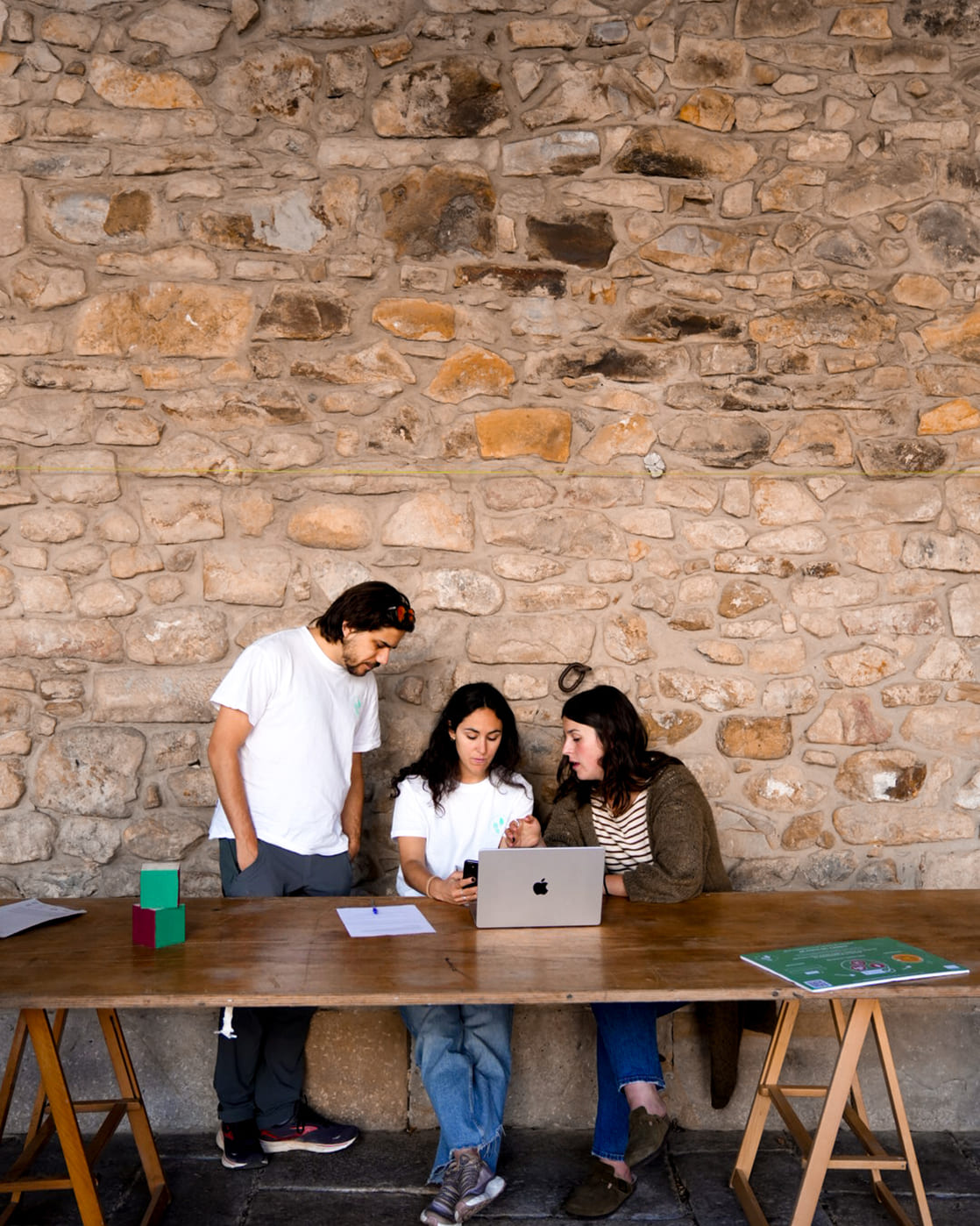
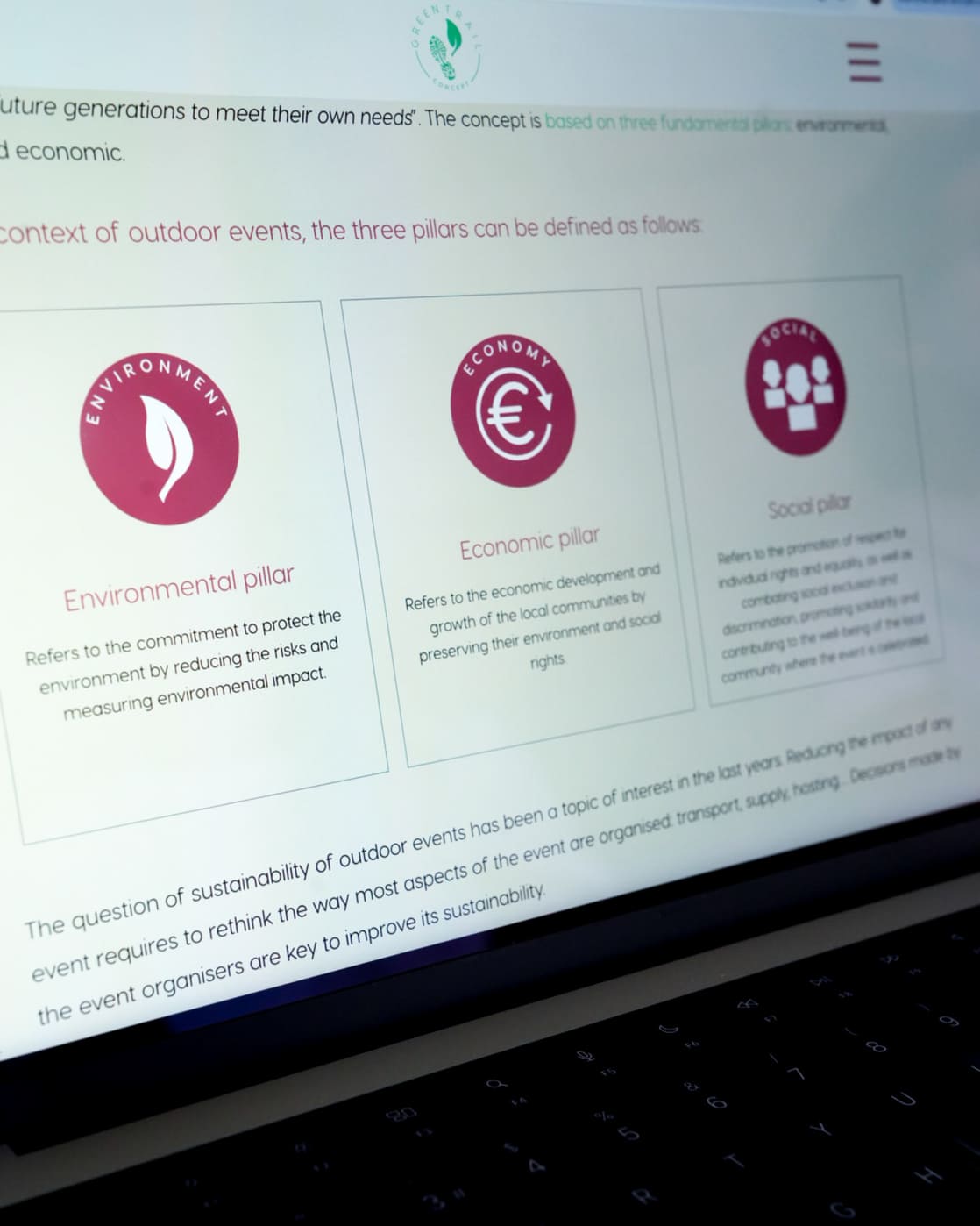
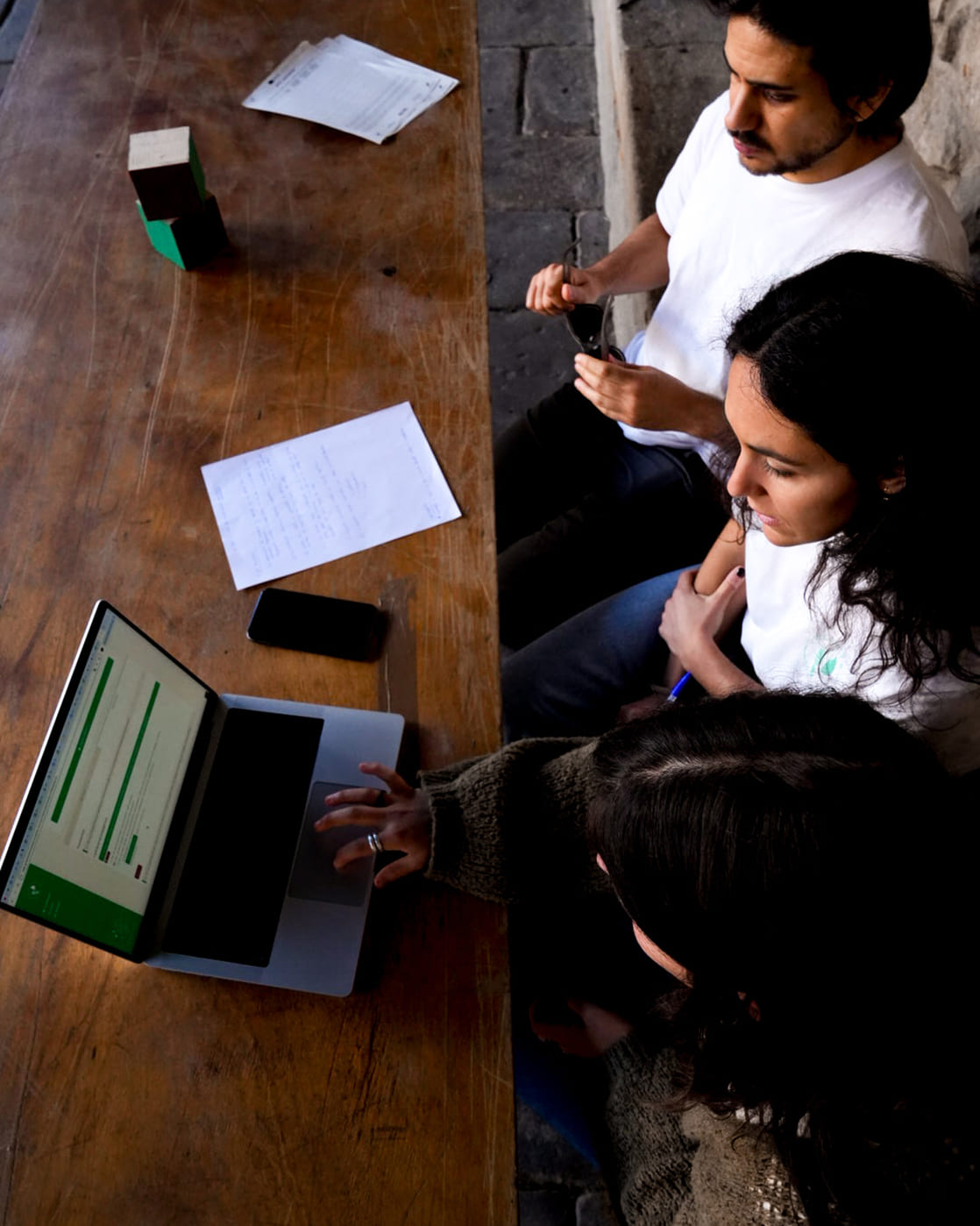
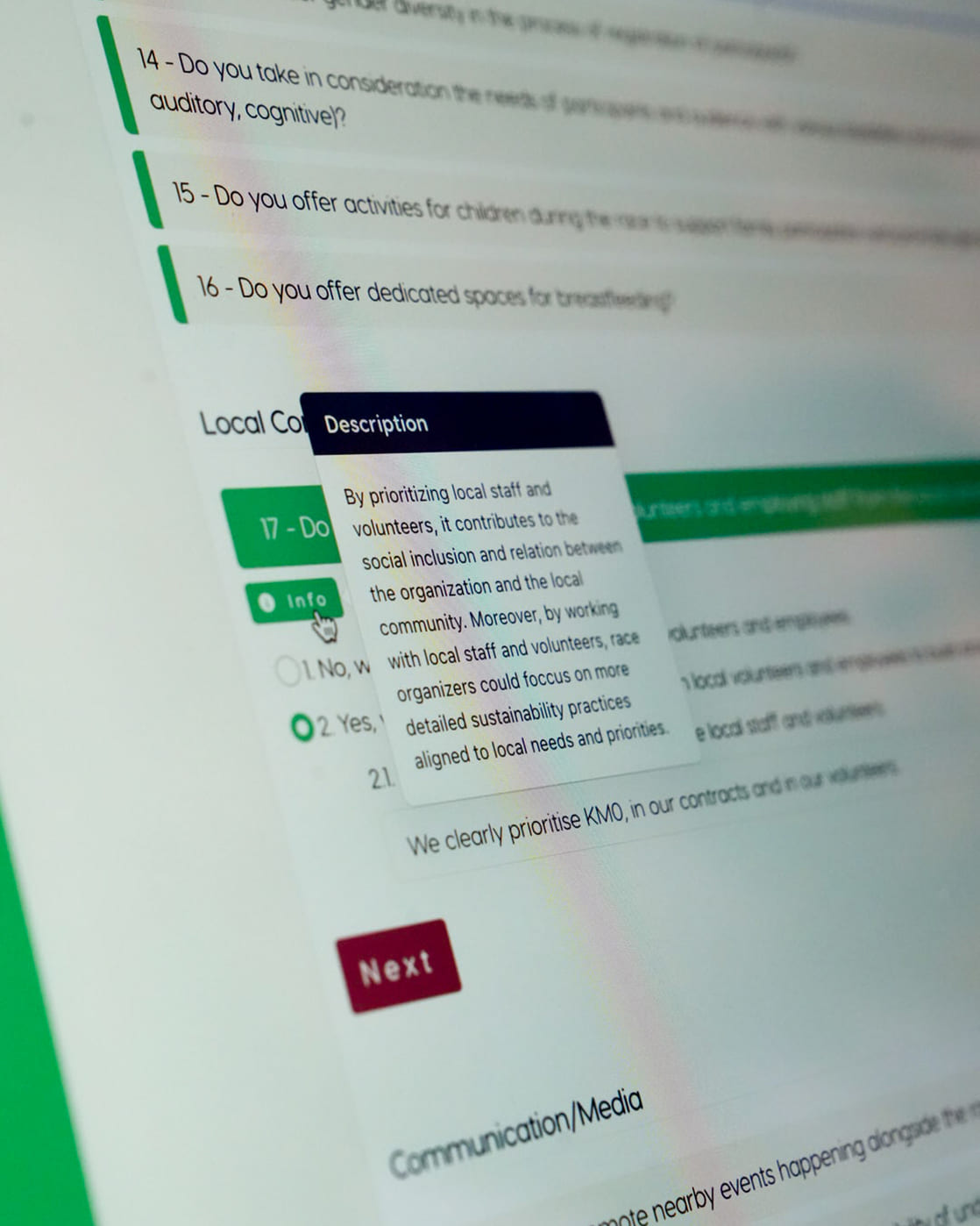
Green Trail Concept activation with the public
We also held a public workshop to involve runners and spectators, explain the project, and gather suggestions. The response exceeded expectations: many agreed that sustainability must be a priority and that the GTC should become a global standard.


Images of the GTC activity during the athletes’ presentation.
Our stay also allowed us to connect with the whole community. On Friday morning, we organized a Running Minds event with a fantastic group of people. We met at Txanton, one of the town’s bars, where we introduced Gaizka and Izaskun, members of the Zegama-Aizkorri environmental team. Gaizka accompanied and guided us during the route.
After completing the iconic initial loop around the town, we ventured into the Zegama forest. A few kilometers in, deep in the mountains, we met Ramon Malkorra, one of the people who helped launch the race in its early days and one of the most experienced voices in the organization. Also a member of the environmental team, he told us about some of the actions being implemented to reduce the race’s ecological footprint and even to improve the natural environment.

Ramón Malkorra talks about the sustainability projects the organization is working on.

Beech forest at the foot of Sancti Spiritu.

Area affected by landslides.
Once the route was finished, we returned to Txanton, where we enjoyed a good “pintxo” of potato omelette and had a drink. The conversation continued around how races can minimize their environmental impact and how, on an individual level, we can also take care of the natural surroundings. Once again, we concluded that the Running Minds initiative leads to very moving interactions, and we will continue striving to bring this project to as many places as possible.
This weekend was a reminder of the power of collaboration. When communities, organizers, and experts work together, real change is possible. We are proud to be part of this journey and will keep working to preserve the mountain.


Photographies by David Ariño.


